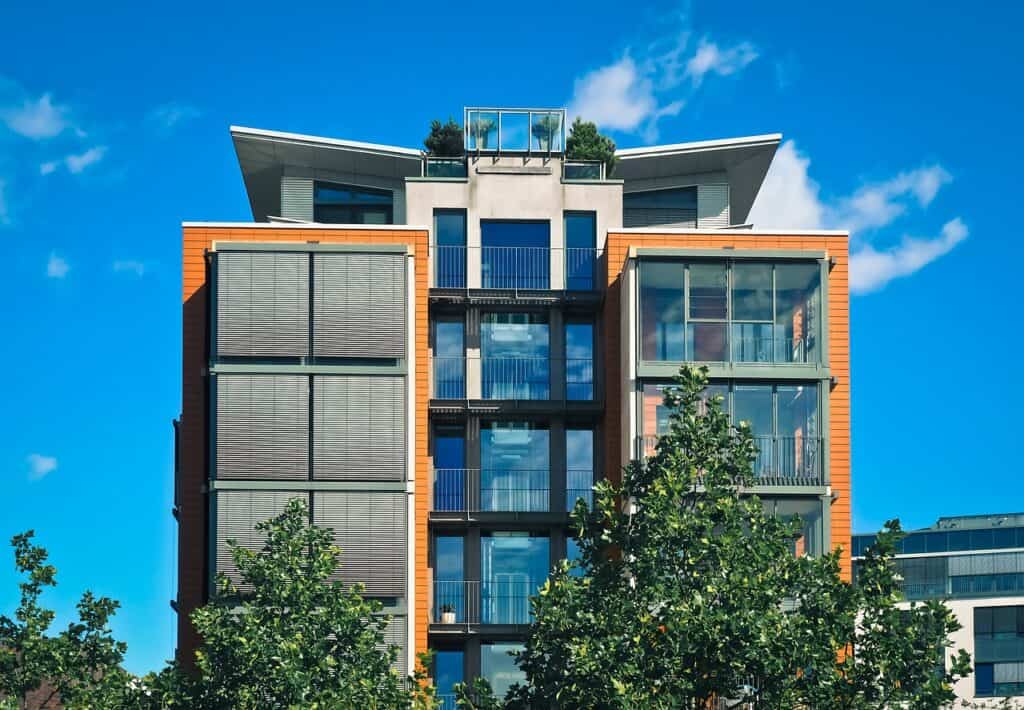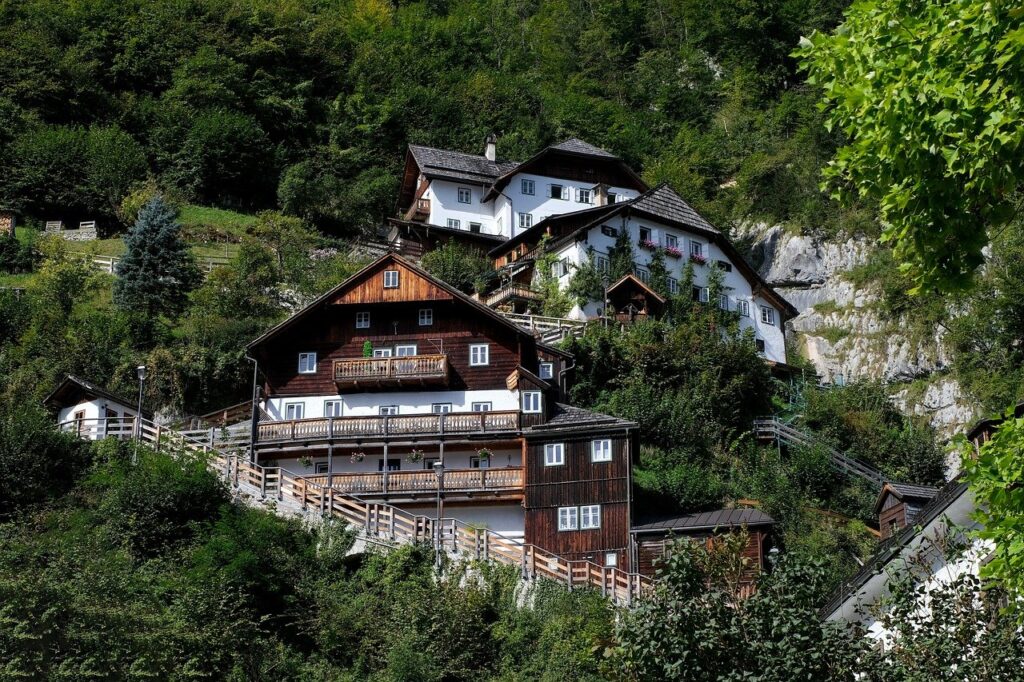
How Much Does a Small House Cost in Nepal?
A small house in Nepal typically costs based on plot size, structural system (usually RCC), number of floors, finishes, and site conditions—so the real answer is that the total budget varies based on location, design complexity, and material choices rather than a single fixed price. For most families planning house design in Nepal, a practical small home is often in the range of a compact 2–3 bedroom layout or a modest 2–2.5 storey RCC house, with costs rising when you add boundary walls, septic systems, premium tiles, and interiors. The smartest way to budget is to plan total project cost first, then validate numbers with a Nepal-focused RCC house cost calculator before finalizing design.
If you are building in Kathmandu Valley or managing construction from abroad as an NRN, cost clarity depends less on “per square foot gossip” and more on disciplined planning: correct built-up area logic, contract type, and early design decisions. This guide explains what drives small-house budgets in Nepal, how to avoid common overruns, and how to turn a rough idea into a buildable, code-aware plan.
What Counts as a “Small House” in Nepal?
In Nepal’s urban and semi-urban context, a small house usually means a compact family home designed for efficient land use—often one of the following:
- A single-family ground-plus-one (G+1) home on a limited plot
- A compact 2 or 2.5 storey RCC house with 2–3 bedrooms
- A modest footprint optimized for narrow valley plots, terraced land, or roadside parcels
Importantly, floor count alone does not define cost. In Nepal, foundation and plinth coverage logic matter. If you are estimating a 2.5 storey house, do not simply multiply “floors × 1000 sq ft.” Your costing area should reflect actual structural footprint, cantilevered projections, stair core, and ground coverage—not just room count.
Why “small” still needs professional design
Even compact homes need proper civil design because of seismic risk, monsoon drainage, soil variation, and municipal approval requirements. Good house design in Nepal balances usable space, natural light, staircase efficiency, and structural safety without overbuilding.
Key Cost Drivers for a Small House in Nepal
Construction cost is a system, not a single rate. These factors usually decide whether a small house stays on budget or drifts into overruns.
1) Location and site conditions
Kathmandu Valley plots often face access constraints, retaining needs on sloped land, and higher logistics costs for materials. Outside the Valley, rates for skilled labor and transport can differ, and soil conditions may require different foundation solutions. Hillside or terraced sites may need extra retaining walls, drainage channels, and careful monsoon planning.
2) Structural system and floor planning
Most modern homes use RCC frame construction. Costs change with column grid efficiency, span lengths, slab type, and whether you plan rental floors. In Kathmandu especially, many families design the ground floor for rent and upper floors for self-use. That decision changes staircase placement, entrance privacy, bathroom stacks, and sound isolation—so planning must start early.
3) Finishes and “hidden” line items
Per sq ft conversations often ignore items that appear late and hurt budgets:
- Boundary wall, gate, and compound finishing
- Septic tank / soak pit and plumbing external works
- Overhead water tank, underground reservoir, and pumping
- Electrical connection, wiring quality, and paneling
- Tiles, railing, staircase finishing, and balcony detailing
- Interior carpentry, paint systems, and false ceiling (if any)
A complete budget is always larger than shell construction alone. When people ask “ghar banauna kati kharcha lagcha,” the honest answer includes these systems—not only brick, concrete, and steel.
4) Design style: modern vs neoclassical
Both styles can work for a small house, but cost behavior differs. Modern designs often reduce ornamental detailing and can be more efficient in material use if planned tightly. Neoclassical elevations usually need more cornice work, moldings, and facade detailing, which can raise both construction and long-term maintenance effort. Choose style based on maintenance appetite and neighborhood context, not only social media aesthetics.
5) Contract model: labor vs material
Many disputes in Nepal begin with unclear contracts. A labor contract (contractor supplies labor; owner supplies materials) can look cheaper at first but demands strong owner-side tracking of cement, steel, bricks, sand, and aggregates. A material-inclusive contract can simplify management, yet needs transparent BOQ (bill of quantities), payment milestones, and quality checks. There is no universal “best” model—only the model you can supervise.
How to Estimate Cost the Right Way (Not Just Per Sq Ft)
Per square foot rates are useful for first conversation, but dangerous as a final decision tool. Use this sequence instead:
- Define total life budget: land already owned or not, construction, interiors, external works, contingency, and 6–12 months buffer.
- Finalize usable program: bedrooms, rental floor or not, parking, store, puja room, and outdoor needs.
- Freeze built-up area logic: include foundation/plinth coverage thinking for multi-storey homes; avoid naive floor multipliers.
- Choose structural and finish grades: standard vs upgraded fittings change totals significantly.
- Validate with a calculator + engineer: use an RCC house cost calculator Nepal workflow, then verify with site-specific design and soil considerations.
For homeowners comparing options, a practical internal tool is the RCC house cost calculator (useful for phrases people actually search, such as house construction cost in Nepal, 2.5 storey house cost in Nepal, building construction cost calculator Nepal, and ghar banauna kati kharcha lagcha). Treat calculator output as a planning baseline, then refine with drawings and local quotations.
Nepal-Specific Planning Factors Most Guides Skip
NBC and municipal approval realities
House design in Nepal must align with applicable National Building Code (NBC) principles and local municipal bylaws for setbacks, height, ground coverage, and structural safety. Drawing approval (naksa pass) is not paperwork only—it is a cost-control step. Redesign after excavation or column casting is one of the most expensive mistakes families make.
Monsoon and drainage
Nepal’s monsoon can delay casting schedules, damage unprotected foundations, and create dampness issues if plinth protection, slope drainage, and roof detailing are weak. A small house still needs proper waterproofing strategy at toilets, terraces, and external walls. Schedule critical concrete works with weather windows in mind.
Seismic detailing and quality control
In a seismic country, “saving” on detailing, bar placement, or curing is false economy. Compact homes can still perform poorly if joints, confinement, and workmanship are neglected. Daily site records—materials received, labor deployed, photos of reinforcement, and payment notes—protect both quality and relationships.
NRN remittance and remote supervision
Many NRN families fund construction through remittance and manage from abroad. Remote projects succeed when three things are clear before start: decision rights (who approves changes), payment stages tied to measurable work, and a trusted local supervision process. Without these, design changes and informal cash advances quickly inflate totals.
Practical Budget Framework for Small Homes
Instead of chasing one magic number, allocate your budget in buckets:
- Structure and envelope: foundation, columns, beams, slabs, brickwork, plaster
- MEP basics: electrical, plumbing, sanitation, water storage
- Openings and protection: doors, windows, grills, railing
- Finishes: flooring, painting, kitchen wet areas, bathrooms
- External works: boundary, gate, septic, approaches, drainage
- Contingency: design adjustments, price fluctuation, weather delays
Families who only reserve money for structure often run short at finishing stage. That is why total budget thinking beats “rate shopping.”
5 Things to Finalize Before You Break Ground
Nepal ma ghar banauda the biggest mistake is rarely only design—it is incomplete planning. Before construction, lock these five points:
- Total budget, not only per sq ft: include wall, gate, septic, tanks, tiles, railing, electricity, and interiors.
- Contract type: labor contract vs material-inclusive contract, with written scope and milestones.
- Rental floor vs self-use floor: especially important in Kathmandu planning.
- Modern vs neoclassical direction: impacts detailing cost and maintenance.
- Daily site tracking system: materials, labor, issues, photos, vendor statements, and payments.
If these five are unclear, later disputes and redesign stress are almost guaranteed—even for a small house.
Step-by-Step Path for Homeowners and NRNs
Step 1: Site + need assessment
Measure plot realities, access, neighbor setbacks, and whether the home is multi-generational, rental-oriented, or both.
Step 2: Concept design and area freeze
Convert lifestyle needs into a compact plan. Avoid endless “one more room” changes after structural drawings begin.
Step 3: Structural design and approval package
Prepare architectural and structural drawings suitable for municipal process and construction execution.
Step 4: Cost baseline and contractor alignment
Use a building construction cost calculator Nepal approach for first baseline, then compare contractor quotations against the same BOQ language.
Step 5: Execution control
Track weekly progress, material quality, and payment against milestones. Keep photo logs of reinforcement and key stages.
Common Cost Mistakes to Avoid
- Finalizing elevation style before functional plan and budget
- Ignoring external works until the end
- Changing rental strategy mid-construction
- Buying materials without reconciliation against drawings
- Skipping contingency for monsoon delays and market fluctuation
Each of these can turn a “small house” into a long, stressful project. Prevention is cheaper than correction.
FAQ: Small House Cost and House Design in Nepal
Is a smaller house always cheaper to build?
Not always. A compact plan can still become expensive with premium finishes, complex facade detailing, difficult soil, or inefficient structure. Smart layout often saves more than simply reducing one room.
Should NRNs wait until they visit Nepal to start design?
You can start planning earlier with plot documents, photos, and video surveys, but key decisions (budget, contract model, rental use, and design style) should be documented before major spending. Remote starts work best with clear supervision and payment controls.
What is the biggest budget leak in small house projects?
Unplanned external works and mid-project design changes. Boundary walls, sanitation, water systems, and last-minute interior upgrades frequently exceed the “construction-only” budget people first imagine.
How should I compare contractor quotes fairly?
Compare equal scope: same drawings, same finish assumptions, and clear inclusions/exclusions. A lower quote that omits septic, railing, or plaster quality is not cheaper—it is incomplete.
Plan Your Small House with Clarity, Not Guesswork
A realistic small-house budget in Nepal is built from design decisions, site realities, and full-scope planning—not from viral per sq ft claims. Whether you are a Kathmandu homeowner or an NRN funding construction from abroad, lock total budget, contract type, usage plan, design style, and site tracking before you cast the first footing. When you need a practical baseline for RCC planning, start with the RCC House Cost Calculator and then work with a Nepal-focused design and engineering team to convert numbers into buildable drawings. GharNaksa supports NRN and local families with practical house design in Nepal, construction clarity, and planning support so your home is safer, more efficient, and financially controlled from day one.