Searching for the best house design alternatives in Nepal usually means you are not just looking for one beautiful photo. You are comparing different styles, budgets, construction methods, family needs, rental possibilities, and long-term maintenance before deciding what kind of house to build.
In Nepal, especially in Kathmandu Valley, homeowners commonly compare modern house design, traditional Nepali house design, box house design, small house design, 4-room layouts, rental-friendly homes, RCC construction, and sometimes prefab or PEB alternatives. This guide explains the main options so you can choose a house design that is practical, buildable, and suitable for your budget.
Planning a house in Nepal?
AS Designs helps with house planning, architectural design, structural drawings, cost estimation, municipal drawings, and construction guidance for residential projects.
What does “house design alternatives” mean in Nepal?
House design alternatives are the different design directions you can choose before preparing final drawings. For example, one family may prefer a modern box house with large windows, while another may want a traditional Nepali-style home with sloped roof elements, warmer materials, and more cultural character.
Some owners want a low-budget small house. Others want a rental + owner-use design where the ground floor or first floor can generate monthly income. NRN families may need a design that is easier to supervise remotely, with clear drawings, practical materials, and strong documentation.
The best design is not always the most stylish design. The best design is the one that balances appearance, structure, budget, land size, municipal rules, family lifestyle, ventilation, natural light, and construction practicality.
1. Modern house design in Nepal
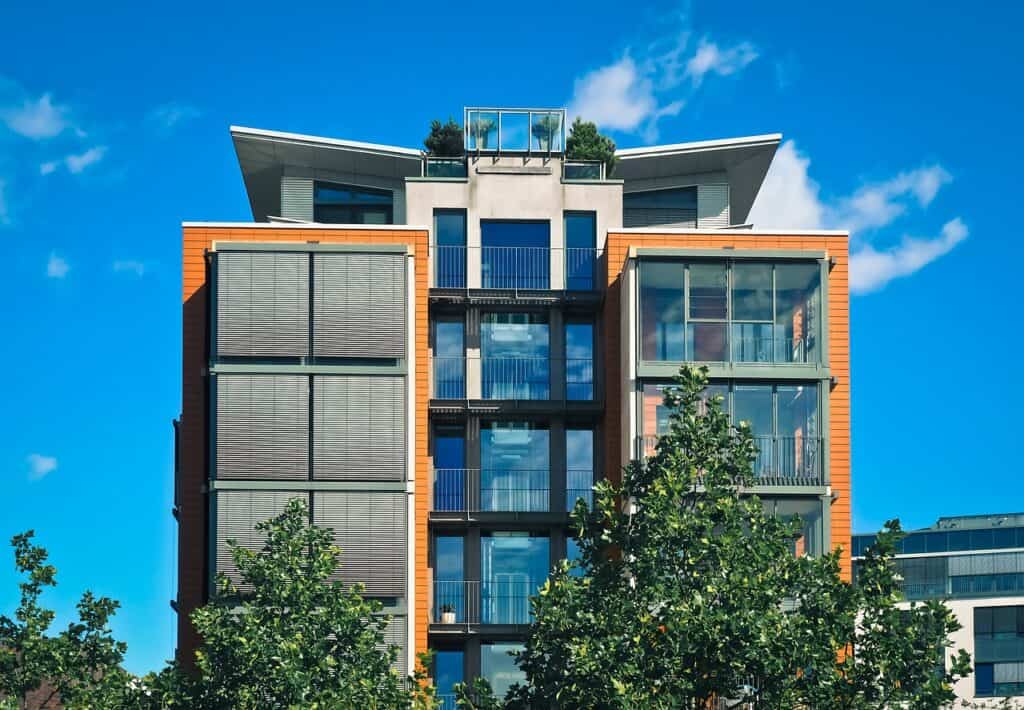
Modern house design in Nepal is one of the most searched and requested design styles. It usually includes clean lines, flat roofs, wide windows, balcony projections, mixed materials, and a premium front elevation.
This style works well for urban plots in Kathmandu, Lalitpur, Bhaktapur, Pokhara, Chitwan, Butwal, and other growing cities. It is also suitable for homeowners who want a clean, updated look without too many decorative elements.
Best for
- Urban residential plots
- Families who want a premium but clean look
- Homes with open living, dining, and kitchen planning
- Owners who prefer large windows and natural light
Things to consider
Modern elevations can become expensive if the design uses too much glass, cladding, CNC work, imported materials, or complicated projections. Good waterproofing is also important for flat roof and terrace areas.
2. Traditional Nepali house design
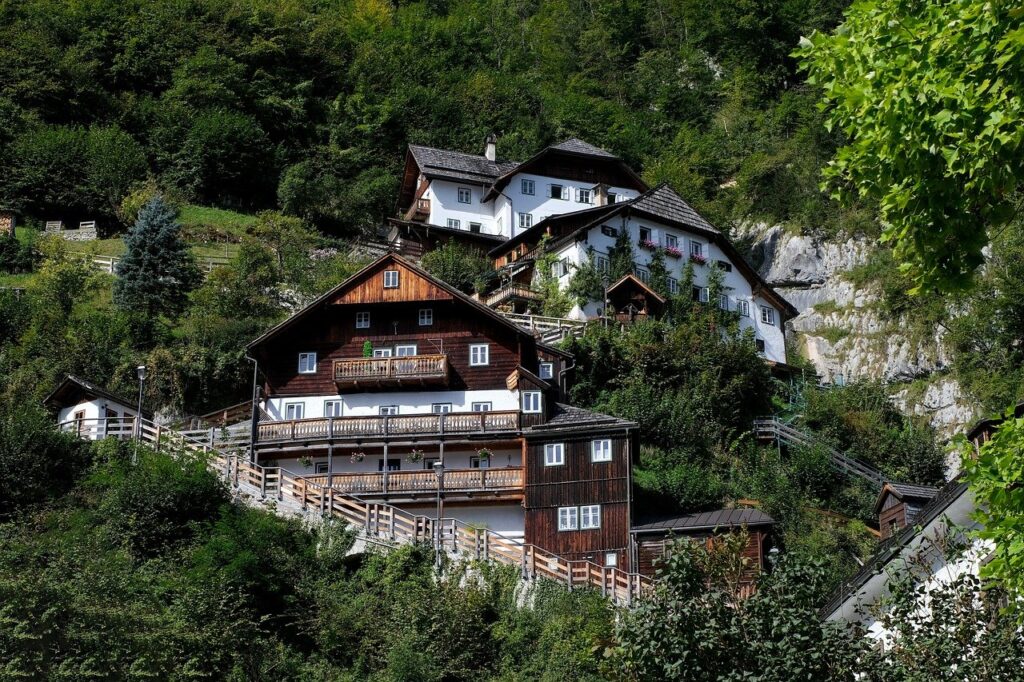
Traditional Nepali house design gives a warmer and more cultural appearance. It may include sloped roof concepts, brick texture, wooden details, carved-style elements, earthy colors, and design features inspired by Newari or regional architecture.
This style is useful for homeowners who want their house to feel connected to Nepali identity rather than looking like every other modern concrete box.
Best for
- Families who prefer cultural character
- Homes near heritage-style neighborhoods
- Farmhouse or semi-urban plots
- Owners who want a timeless look
Things to consider
Traditional design should not only be copied as decoration. The structure, roof slope, drainage, materials, and maintenance should be planned properly. A traditional-looking house can still use modern RCC structure and modern services inside.
3. Small house design in Nepal with price planning
Small house design in Nepal is popular because land size is limited and construction cost is increasing. A small house can still feel spacious if the layout is planned well.
For small plots, the main focus should be circulation, room size, light, ventilation, staircase position, parking, and future expansion. A compact house with good planning is better than a large house with poor room arrangement.
Best for
- First-time homeowners
- Small plots in Kathmandu Valley
- Budget-conscious families
- People planning phased construction
Price factors
The price of a small house depends on plinth area, number of floors, foundation condition, material quality, finishing level, staircase design, toilet count, kitchen setup, and site access. Instead of only asking for a per-square-foot rate, homeowners should request a proper estimate with major quantities and material assumptions.
You can also use online planning tools from AS Designs tools to get early clarity before finalizing the design.
4. Box house design in Nepal
Box house design in Nepal is a modern style where the front elevation uses rectangular forms, projections, balcony frames, and clean massing. It is popular because it looks modern, simple, and premium in 3D views.
Best for
- Modern city homes
- Clients who want a clean facade
- Plots with good road-facing elevation
- Homes where exterior lighting and material texture matter
Things to consider
Box designs must handle rainwater properly. Poorly designed projections, terrace edges, and parapet details can create seepage later. Always check waterproofing, drainage slope, sunshade details, and material durability.
5. 4-room house design in Nepal
Many homeowners search for 4 room house design in Nepal with price because they want a simple and practical layout. A 4-room plan can mean different things depending on the family: two bedrooms + living + kitchen, or three bedrooms + living, or rental-focused compact rooms.
Before finalizing a 4-room layout, decide whether the house is mainly for owner use, rental income, parents, children, or future expansion.
Best for
- Small to medium families
- Single-floor planning
- Rental units
- Low to medium budget homes
Planning tip
Do not force too many rooms into a small plot. Bedrooms, toilets, kitchen, and staircase all need proper size and ventilation. A slightly smaller but well-planned layout gives better daily comfort.
6. Rental + owner-use house design
In Kathmandu and many Nepali cities, homeowners often build houses where one or two floors are for rent and the remaining floor is for the owner’s family. This is one of the most practical house design alternatives in Nepal because it supports both living and income.
Best for
- Families building in expensive land areas
- Owners who want monthly rental income
- Houses near colleges, offices, hospitals, or main roads
- Multi-storey RCC homes
Things to consider
Rental planning needs privacy, separate access, water management, electricity metering, toilet placement, parking, and staircase circulation. If rental planning is not considered early, the house may become difficult to use later.
7. RCC house design in Nepal
RCC house design is still the most common residential construction approach in Nepal. It is widely understood by engineers, contractors, masons, municipalities, and homeowners.
RCC is suitable for multi-storey residential buildings, rental homes, and urban houses where structural strength, future extension, and resale confidence matter.
Best for
- Most residential houses in Nepal
- Multi-storey buildings
- Rental + owner-use homes
- Projects needing strong structural planning
Things to consider
RCC construction should not be done casually. Foundation, column size, beam placement, slab thickness, steel details, concrete quality, and curing must be checked properly. Architectural design and structural design should work together from the beginning.
8. Prefab or PEB house alternatives
Prefab and PEB systems can be useful for certain project types. They may offer faster construction and lighter structure for specific use cases. However, they are not always the best alternative for every residential house in Nepal.
Best for
- Temporary or semi-permanent structures
- Commercial sheds or specific lightweight buildings
- Fast-build requirements
- Sites where reduced wet work is preferred
Things to consider
Before choosing prefab or PEB, compare insulation, sound, heat comfort, maintenance, lifespan, approval requirements, resale value, and total finished cost. For many long-term residential homes, RCC may still feel more familiar and acceptable to Nepali homeowners.
Comparison table: Which house design alternative should you choose?
| Design alternative | Best use case | Main benefit | Possible risk |
|---|---|---|---|
| Modern house design | Urban homes and premium facades | Clean, attractive, current style | Can become costly with premium materials |
| Traditional Nepali design | Cultural, warm, timeless homes | Unique identity and local character | Needs careful detailing and maintenance planning |
| Small house design | Small plots and limited budgets | Efficient and affordable planning | Can feel cramped if room sizes are forced |
| Box house design | Modern city plots | Simple, bold, premium elevation | Waterproofing and drainage must be planned well |
| Rental + owner-use design | Income-focused urban houses | Supports monthly rental income | Privacy and circulation can become difficult |
| RCC house design | Long-term residential construction | Strong, familiar, widely accepted | Needs proper engineering and supervision |
| Prefab / PEB alternative | Fast or specific lightweight projects | Speed and less wet construction | May not suit every residential expectation |
How AS Designs helps you choose the right house design
AS Designs does not look at house design only as a 3D elevation. The process starts from land, family requirements, budget, structure, municipal rules, room planning, rental potential, and construction practicality.
This helps homeowners avoid common problems such as beautiful but expensive designs, unclear contractor quotations, poor room planning, weak ventilation, missing service ducts, and confusion during construction.
If you are also comparing design companies, contractors, and builders, read our related guide: House Design and Construction Alternatives in Kathmandu.
Questions to ask before finalizing your house design
- Will this design fit my land size and road access?
- Does the layout support my family’s current and future needs?
- Is the design practical for my budget?
- Will the structure, plumbing, electrical, and drainage work properly?
- Can the house support rental income if needed?
- Is there enough light and ventilation in each room?
- Are the materials easy to find and maintain in Nepal?
- Will the construction team understand and execute the design correctly?
Final recommendation
If you are searching for the best house design alternatives in Nepal, start by comparing lifestyle, land, budget, and construction practicality before choosing a style. Modern, traditional, small, box, RCC, rental-focused, and prefab alternatives all have their own place.
For most homeowners in Nepal, the strongest choice is a practical design that looks good, follows structural logic, controls cost, supports future use, and can be executed properly on site.
Need help choosing the right house design?
Share your land size, road width, location, budget, number of floors, and family requirements with AS Designs. We can help you compare design options before you commit to drawings or construction.
FAQs
Which house design is best in Nepal?
The best house design in Nepal depends on your land size, budget, family needs, location, and construction plan. Modern RCC homes are common in cities, while traditional or hybrid styles may suit homeowners who want more cultural character.
What is the cheapest house design alternative in Nepal?
A simple small house with efficient room planning, limited projections, standard materials, and practical finishing is usually more cost-effective than a complex elevation with premium cladding and glass.
Is box house design good for Nepal?
Box house design can be good for Nepal if waterproofing, drainage, sunshade details, and material selection are properly planned. It is popular for modern urban homes.
Should I choose RCC or prefab for a house in Nepal?
RCC is still the common choice for long-term residential homes in Nepal. Prefab or PEB may work for specific fast-build or lightweight requirements, but you should compare comfort, approval, maintenance, and resale expectations.
Can AS Designs help with both design and construction planning?
Yes. AS Designs can help with planning, architectural design, structural drawings, estimates, municipal drawings, interiors, and construction guidance depending on the project requirement.